





Skip to content
REI Transfer

How investors are reaching motivated sellers 60-180 days before the competition.

▶ Watch the breakdown

Check if your market is available

Trusted by 150+ investor teams across the country
The Direct Buyer Express Homebuyers CITI Atlas I Buy LR - Little Rock I Buy STL - St. Louis Joe Homebuyer Mad Visionary Estates Creative Home Ventures Elevate Home Buyer First Glance Homes American Home Advisors TRAM Homes SOLD Ave The Direct Buyer Express Homebuyers CITI Atlas I Buy LR - Little Rock I Buy STL - St. Louis Joe Homebuyer Mad Visionary Estates Creative Home Ventures Elevate Home Buyer First Glance Homes American Home Advisors TRAM Homes SOLD Ave

If you're a real estate investor and your cost of acquisition has been creeping up over the last 12 months... you're not imagining it. And you're not alone.

It's happening across every market. Facebook. Google. Direct mail. Cold calling. It doesn't matter which channel you're running. The cost to put a deal on the table is higher today than it was a year ago.

And it's going to keep going up.

But here's what's interesting.

It's not going up for everyone.

There's a group of investors right now whose cost per deal is actually going down. Month over month. While everyone else is spending more to get less, they're spending the same and closing more. And it's not because they found some secret traffic source or a cheaper lead vendor.

It's because they changed the system.

Once you see why the standard approach is getting more expensive and what these investors are doing differently, you can't unsee it. This piece breaks down both sides: the structural forces driving costs up across the industry, and the specific system that's reversing the trend for the investors running it.

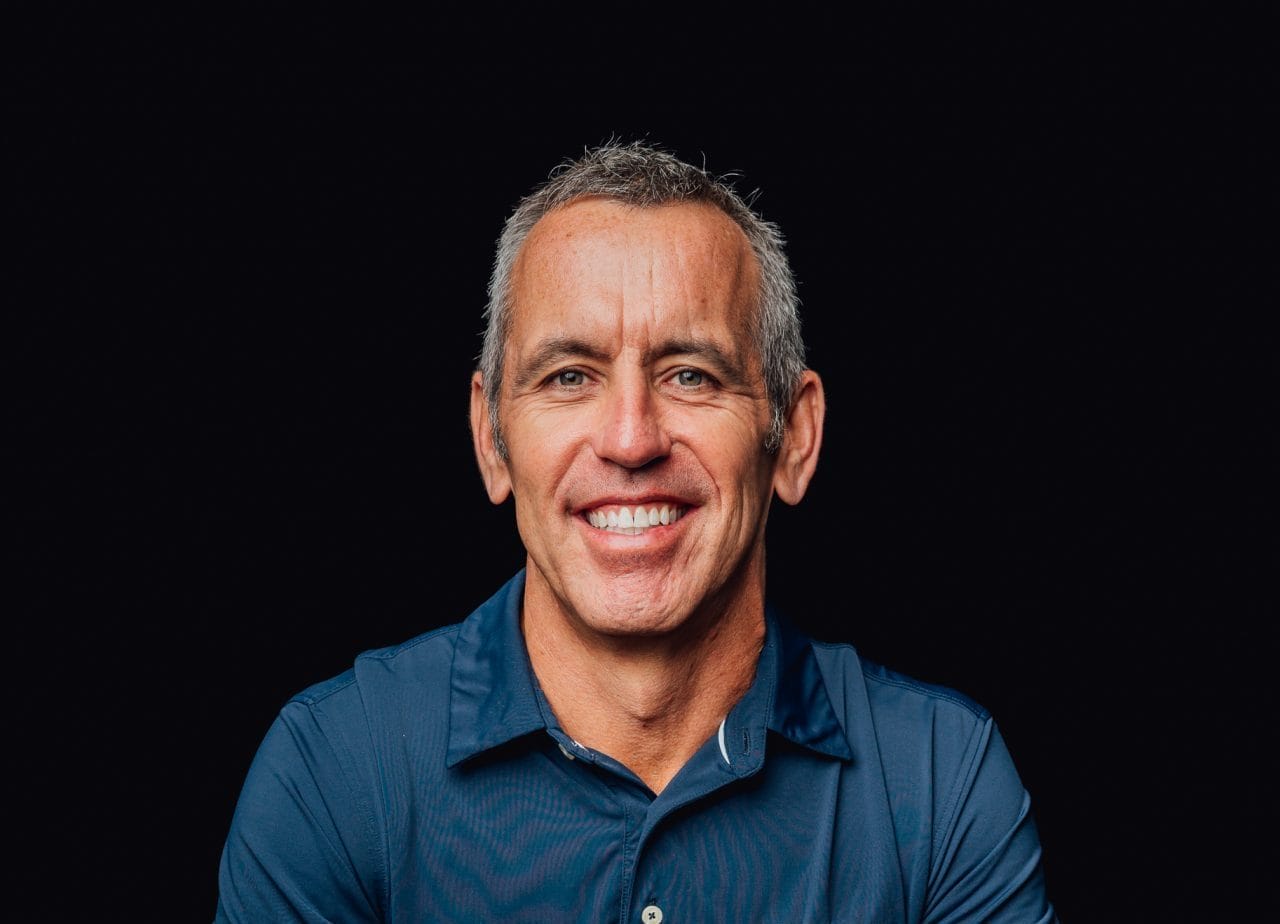
Joe Estephan

"$139 lead > $600k profit. I thought it was other people, then I looked and it's all you. You're a legend." — Joe Estephan, American Home Advisors, Baltimore

Already know your costs are climbing? Skip ahead.

...

The Four Forces Driving Your Cost of Acquisition Through the Roof

The Squeeze

Why Acquisition Costs Keep Climbing

33% of all single-family sales are now investor purchases
+35% year-over-year increase in real estate cost per click
60% of Google searches now end with zero clicks
6 states passed anti-wholesaling laws in two years
Result The sellers you can actually reach keeps shrinking

Let's start with what's actually happening. Because it's not one thing. There are structural forces hitting this business from every direction at the same time. And once you see them stacked together, you understand why tweaking a headline or testing a new audience isn't going to fix this.

Force #1: The Market Flooded With New Investors

A few years ago there were a handful of educators teaching wholesaling and real estate investing. Now those students have launched their own courses. Every week there's someone new teaching wholesaling, Section 8, co-living, Airbnb. And almost everyone starts by wholesaling.

The number of investors competing for deals in your market hasn't just grown. It's multiplied.

33%

of all single-family homes sold in Q2 2025 were purchased by investors. The highest share in five years.

Source: ATTOM Data Solutions, Q2 2025 U.S. Home Sales Report

The barrier to entry has never been lower. And here's what came with that. A lot of newer operators are locking up contracts, overpromising homeowners, and never delivering. Some have built their entire business model around filing memorandums on properties with zero intent to execute.

That's created a level of consumer distrust around "cash buyers" that didn't exist five years ago. Sellers are skeptical before you say a word. Not because of anything you did. Because of what the market did around you.

The regulatory side is responding too. Six states passed new anti-wholesaling laws in just the last two years. TCPA enforcement is tightening. Compliance costs keep climbing. The game got harder from the seller side, the regulatory side, and the legal liability side all at the same time.

Force #2: Your Best Marketing Channel Is Getting More Expensive and Smaller Simultaneously

If you've been running Google PPC, you already feel this.

It's been the most reliable channel in REI for the better part of a decade. Cost per lead used to sit around $100 to $150 in most major markets. You'd talk to 5 to 10 leads and close a deal. The math worked.

+35% YoY

Real estate had the single largest cost-per-click increase of any industry tracked by WordStream in 2024. And that's just the cost side.

Source: WordStream 2024 Google Ads Benchmarks Report

The volume side is worse. SparkToro found that nearly 60% of all Google searches now end without a single click to any website. AI is pulling answers directly into the search results. The pool of people who actually click your ad is shrinking while the number of investors bidding for that click keeps growing.

That's not a bid strategy problem. That's a structural shift in the channel itself.

Force #3: Sellers Are More Educated and More Skeptical Than Ever

This ties into the first point. Sellers today Google "is this a wholesaler" before they pick up the phone. They pull comps on Zillow and Redfin before your rep gives them a number. They walk into the conversation with information and their guard up.

If your marketing hasn't built any trust before that call, you're starting behind.

Force #4: Institutional Money Is Compressing Your Margins

This one isn't new. But it's accelerating.

Consider the history. In the early 1900s, there were thousands of independent tobacco companies across America. Small regional brands, local manufacturers, family businesses. Then James Duke came along with American Tobacco. He didn't compete on product. He competed on capital. He invested in automated rolling machines that cut his production costs in half. He could sell cigarettes cheaper than the small guys could make them. He used that cost advantage to acquire over 250 competing companies in about a decade. The independents couldn't match his pricing or distribution. One by one, they either sold out or shut down.

That's not ancient history. That's a playbook. And it's running in real estate right now.

Invitation Homes, backed by Blackstone. American Homes 4 Rent. Progress Residential. Opendoor. These aren't investors trying to make $20K on an assignment fee. They're building portfolios. They make their money on the hold, not the buy. Which means they can pay more than you on every single deal because their profit model is fundamentally different from yours.

They don't need margin on acquisition. They need volume. You can't do that. Your business needs to profit on every deal.

"More competition. Higher ad costs. Fewer available searches. Skeptical sellers. And institutional money squeezing margins from the other direction. All at the same time."

The result is what you're already feeling. More spend. Same or fewer deals. Cost of acquisition climbing every quarter.

Most investors try to solve this by optimizing around the edges. Test a new headline. Adjust the targeting. Try a different channel. Increase the budget. Those things can help at the margins.

But they don't fix the structural problem.

The structural problem is this: when every investor in your market is running the same playbook, to the same sellers, at the same point in the seller's journey... the only way to win is to outspend everyone else. And that's a race nobody wins.

So the question becomes: how do you get off that track entirely?

The Two Levers That Actually Lower Cost of Acquisition

There are really only two ways to structurally lower your cost of acquisition. Not tactically. Structurally.

The first is to reach sellers earlier. Before they're shopping. Before they're comparing. Before your competition even knows they exist. If you're the first investor a seller encounters, and you reach them when the problem just hit, not after they've been fielding calls for two weeks... your cost to acquire that seller drops significantly. Less competition at that stage. Lower ad costs. And a seller who isn't burned out from talking to five people already.

The second is to build trust before the call. When a seller gets on the phone with your team and they already know your name, they've already seen your content, they already feel like you understand their situation... that conversation is fundamentally different. They're not shopping you. They're not guarded. They're not treating it like a price war. They're talking to someone they feel like they already know.

Close rates go up. Show rates go up. And the deals that close are smoother because trust was built before the first conversation. Not during it.

This isn't some untested theory. The most valuable companies in the world already figured this out.

Think about Apple. Most valuable brand on the planet. They don't have a floor of trained sales assassins at the Genius Bar cold calling people to buy MacBooks. Nobody at Apple is running a speed-to-lead campaign trying to get you on the phone in under five minutes.

Instead, they let marketing build trust over time. "Shot on iPhone." The keynotes. The product ecosystem. Every single touchpoint builds trust and desire long before you walk into the store. By the time you do walk in, the decision is already made. The "close" is just a transaction.

You don't need to become Apple. But the principle scales to any business. Including yours. When your marketing builds trust before the sale, close rates go up. Resistance goes down. And you spend less per deal because your brand did the heavy lifting before your team ever picked up the phone.

Reach sellers earlier. Build trust before the call. Those are the two levers. Everything else is optimization.

The Difference

Why More Touchpoints = More Closed Deals

Traditional Lead Gen

Ad
Form Fill
Cold Call

3 Touchpoints

Seller has never heard of you

VS

Trust-Based System

Targeted Content
Video View
Retargeting Ad
Educational Post
Testimonial Ad
Pre-Screen Survey
Warm Call

7+ Touchpoints

Seller already knows your name
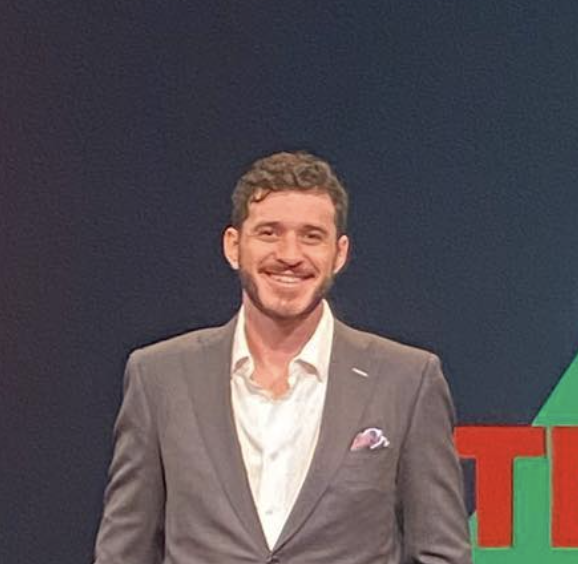
Daniel Burke

"One of my AQMs picked up 3 PSA from FB today. Wholesale in OR for 50k spread. Novation in CO for 30k. Wholetail outside ATL on the water for 75k." — Daniel Burke, Trailhead Investments, Nationwide

See If This System Fits Your Market

30-minute strategy call. Not a pitch. We'll review your current numbers and show you where the gaps are.

30 minutes. Not a pitch. Just your numbers.

Limited to one partner per market

...

Inside the Pre-Distressed Marketing System

Here's what this actually looks like when it's built out. Not theory. The specific system top investor teams across the country are running right now.

And it starts with a platform choice that might surprise some of you.

Why Meta. And Why Most Investors Get It Wrong.

The entire system is built on Meta. Facebook and Instagram.

If you've tried Meta ads before and had a bad experience, that doesn't surprise me. Because the way most investors run Meta is a recipe for losing money.

Here's what typically happens. An investor or their agency throws up an ad that looks like a digital billboard. "We Buy Houses Fast For Cash." "Sell Your Home In 7 Days." Generic. Broad. Looks like every other investor on the platform.

That ad goes out to a wide audience with no real targeting strategy. No retargeting. No content ecosystem nurturing the seller before or after the form fill. No pixel optimization beyond form submissions. Just a billboard screaming at anyone who scrolls past.

And here's the real problem. An ad that says "sell your home fast for cash" appeals to everyone. Retail sellers who want full market value. Curious homeowners who aren't actually motivated. Tire kickers who just want to see what their house is worth. All of them click. All of them fill out forms. And all of them train your pixel.

So Meta's algorithm thinks that's your ideal customer. Random people who respond to generic messaging. Your pixel learns from garbage data. Your lead quality is terrible. And eventually you conclude that Meta doesn't work for real estate.

But Meta didn't fail you. The strategy did.

Because here's what Meta actually gives you that no other channel can. It's the only platform where you can reach a seller before they start searching.

Google PPC only catches sellers at the bottom of the funnel, after they're already comparing investors. Direct mail hits a list and you hope they open it. Cold calling interrupts someone who didn't ask. PPL means you're renting someone else's attention with zero control over source, quality, or cost. The second that provider raises their lead price, your acquisition cost spikes overnight. No warning. No negotiation. That's not a marketing strategy. That's a dependency.

Meta lets you show up in a seller's feed at the exact moment their situation hits them. Before they've Googled anything. Before they've talked to anyone. Before your competition knows they exist. No other channel gives you that window.

And when you build it right, you own the asset. The pixel. The audience. The brand. Nobody can raise your rates overnight because the infrastructure belongs to you.

But only if you run it the right way. Here are the five pillars.

The Five Pillars

How the System Works

Seller Life Events

Captured at First Moment of Pain

Pre-Foreclosure Inheritance Divorce Downsizing Medical Major Repairs Relocation

Your Other Marketing Channels

Every Lead That Touches Your Website

Direct Mail Google PPC Cold Calling TV / Radio Referrals Organic Search
Pre-Distressed Marketing System
Content Ecosystem
Retargeting Engine
Lead Pre-Screening
Algorithm Training
Brand Trust Building
Compounds Monthly

Pre-Qualified, Pre-Nurtured
Sellers Ready to Close

No leaky bucket. Nothing leaves the ecosystem.
Pillar One

Reach Sellers at the First Moment of Pain

Think about a homeowner who just missed their first mortgage payment. Or someone who just found out they inherited a property and has no idea what to do with it. Or a landlord whose tenant just told them they're not paying. Or someone whose attorney just said they need to figure out the house before the divorce can move forward.

These people aren't on Google yet. They're not searching "sell my house fast." They're sitting on their couch scrolling Facebook or Instagram and the reality of their situation just hit them. They know something needs to change. They haven't started looking for solutions yet.

That's where this system shows up. Not with a "We Buy Houses" billboard ad that attracts every random clicker on the internet. It shows up with content that speaks directly to their situation. UGC-style videos. Educational content. Material that feels like someone actually understands what they're dealing with.

You reach them first. Before the competition knows they exist. And you reach them with something that doesn't feel like a pitch. It feels like help.

Pillar Two

Build a Brand Ecosystem That Creates Trust Automatically

In the standard Meta model, the seller sees one ad. Fills out one form. Gets one cold call. Maybe a text message. Three touchpoints. No trust built. No retargeting. No nurture. Nothing between the ad and the phone call.

In this system, a seller encounters your brand five, six, seven times before they ever fill out a form. They see your content in their feed. They watch you walk through how the process works. They see a retargeting ad with a testimonial from a homeowner you helped. They see another piece of content that answers the exact question they were up at 2am worrying about.

By the time they fill out a form and your team calls... they already know who you are. They've already seen your face. They already feel like you understand their situation. The call isn't cold. It's a continuation of a relationship your marketing already started.

That's what changes close rates. That's what changes show rates. That's what makes sellers say, "Yeah, I've been seeing your stuff. I feel like I already know what you guys do." Instead of, "Who is this and how much will you pay me?"

The entire content ecosystem is built for you. Your involvement: one content session per month. About an hour. Everything else is handled.

Pillar Three

Pre-Screen Every Lead Before It Touches Your Pipeline

Nobody is handing you a name and a phone number. Every lead goes through custom in-ad surveys and motivation-based questions. The system filters for timeline, motivation level, property situation, and real willingness to sell. Your team only gets on the phone with sellers who are motivated, qualified, and pre-nurtured through your content.

That combination... pre-screened AND pre-nurtured... is what makes the call quality completely different from what you're used to.

Pillar Four

Train the Algorithm on Real Business Outcomes

This is the piece that makes the whole system compound over time.

Most campaigns optimize for form fills. You're telling Meta, "Find me people who fill out forms." So Meta finds form fillers. Not people who show up. Not people who sign contracts. Not people who close.

This system connects your CRM to Meta through the Conversion API and feeds back real data. Qualified appointments. Signed contracts. Funded deals. Over time, Meta stops finding form fillers and starts finding closable sellers.

The quality goes up. The cost per qualified outcome goes down. And this gets better every single month because the algorithm is learning from real results, not vanity metrics.

This is how cost of acquisition actually drops over time instead of climbing. You're not just buying leads. You're training a machine that gets smarter every week.

Pillar Five

The Blanket Platform: Every Channel You Run Gets Better

This is the piece most people don't see until it's running.

Think about every marketing channel you're already using. Direct mail. PPC. Cold calling. Referrals. Maybe you're on local TV or radio. Each of those channels generates some form of attention. A seller sees your mailer and visits your website. Someone Googles you after a cold call. A referral checks out your site before calling back.

In a normal setup, if that seller doesn't convert on the spot, they're gone. Your team sends a follow-up text. Maybe two. "Hey, just checking in." The seller ignores it because it feels like every other automated message they've gotten from every other investor. That lead goes cold. You paid to generate it. And it leaked out of your pipeline.

This system seals the bucket.

The moment any seller from any source touches your website, the pixel fires. They're inside your content ecosystem. From that point forward, they're seeing your brand in their feed. Not another "just checking in" text. Not a generic drip email. They're seeing you walk through how the process works. They're seeing testimonials from homeowners you've helped. They're seeing content that answers the questions keeping them up at night.

74%

of adults aged 50-64 are on Facebook. 58% of adults 30-49 use it daily. Your sellers are already scrolling. This system puts your brand in front of them every time they do.

Source: Pew Research Center, Americans' Social Media Use 2025

And it never stops. A seller who visited your site from a mailer three months ago and wasn't ready? They've been seeing your content in their feed for 90 days. When they're finally ready to make a move, they're not Googling "sell my house fast" and finding your competitor. They're coming back to you. Because you've been in their world the entire time.

Direct mail becomes more effective because every mailer recipient who visits your site enters the ecosystem. PPC leads that didn't convert stay warm indefinitely instead of going cold after two follow-up texts. Cold call leads who said "not right now" are seeing your content while they figure out their timeline. Referrals who weren't ready yet are being nurtured automatically until they are.

"This isn't another marketing channel. It's the layer that makes every channel you're already running work harder."

No leaky bucket. No leads going cold because your team forgot to follow up. No more lazy automated texts that sellers ignore. Just your brand, in their feed, building trust around the clock. And the entire system is built and managed for you. Your involvement is one content session per month. About an hour. Everything else is handled.

...

What This Looks Like in Practice

Not theory. Real investors. Real numbers. Real markets.

"William's been managing my Facebook ads and has been absolutely crushing it. Right now, we're seeing roughly a 12x return, with an average cost per contract of about $3,200, so I've been happy with the results."

Josh Giordani

Josh Giordani, CEO, The Direct Buyer

San Diego market. 12x return. $3,200 cost per contract.

"My marketing guy said fb has 8x roi. I think our highest in last 69 days. Nice work. Lets keep the pedal on the gas and pushing it higher."

Brad Chandler

Brad Chandler, CEO, Express Homebuyers

8x ROI. Highest performing channel.

"Will and REI Transfer aren't just good... they're a weapon. This is the marketing engine we cannot operate without. The strategic moves they make to generate high-quality leads put our acquisition managers in front of sellers that are ready to close... We've tested other lead sources, and nothing even comes close."

Tim Serpe

Tim Serpe, CEO, CITI Atlas

Tested against multiple lead sources. Nothing comes close.

These aren't cherry-picked months. These are operators running real volume in competitive markets who put this system up against their other channels and other providers. The system works because the fundamentals are different.

Real investors. Real numbers. Results you can verify.

...

What This Feels Like When It's Running

It's a Monday morning. Your rep calls the first lead from the weekend. Seller picks up on the first ring. "Yeah, I've been seeing your stuff. You guys seem like you actually know what you're talking about."

That's a different conversation. That leads to a signed contract, not a hang-up.

Your pipeline isn't just this week's leads. It's three months deep. Sellers who engaged, were nurtured, and are now ready. Your rep spends less time convincing and more time consulting.

How It Compounds

Month 1

Campaigns launch. Content goes live. Automations installed. CRM connected. Leads start flowing. Your brand appears in your market.

Month 3

Sellers engaging with content. Retargeting pool growing. Pixel learning from real appointment data. Your team notices calls feel different. Sellers are warmer. Show rates improving.

Month 6

Brand has real market presence. Cost per qualified appointment measurably lower than month one. Pipeline includes months of nurtured sellers. You're compounding while competitors restart every 30 days.

Month 12

Trained pixel. Content library building trust 24/7. Brand sellers recognize. Pipeline that doesn't reset. You own marketing assets that keep working whether you're running campaigns that week or not.

That's not lead generation. That's a marketing system. And it compounds.

Who This Is Built For

This isn't for everyone and I want to be upfront about that.

This is built for investors who:

This is NOT for:

If you need deals this week to survive, go work what's in your pipeline. Come back when you're ready to build, not survive.

But if you've been running marketing long enough to see what's happening to costs in this space... if you already know that competition is getting tighter every quarter... and if you've been thinking that there has to be a better way to do this than just spending more money on the same approach and hoping it works...

Then you already understand the problem. And what you just read is the solution.

How It Works

Step 1

30-Minute Strategy Call. We look at your current numbers, your market, and where you're bleeding money. If it's a fit, we tell you exactly what the system would look like for your operation. If it's not, we'll tell you that too.

Step 2

We Build. You Don't Touch Anything. Full buildout in 2-3 weeks. You show up for one content session. We handle the rest. Leads start flowing while the brand system ramps behind them.

Step 3

Your Team Closes. The System Gets Smarter. Every deal feeds data back into the machine. Your cost per deal drops. Your pipeline deepens. Month over month, the gap between you and your competition widens.

Common Questions

Most agencies run ads to a lead form and hand you names. That's one piece of what this system does. It also builds a branded content ecosystem, pre-screens every lead, installs behavior-based automations, and trains Meta's algorithm on your actual deals. It's a complete system, not just lead gen.

Leads start week one. The brand trust and pixel training compound over 60-90 days. That's when cost per deal starts dropping measurably and call quality shifts. The system gets better every month after that.

No. Everything is handled. One content session per month from you, about an hour. We create, post, and retarget from there.

Most of our partners have. That's often why they found us. The difference is we don't just run ads. We build a multi-pillar system that compounds. And we report on cost per deal, not vanity metrics.

We limit partners to ensure each one gets the strategic attention the system requires. If we're at capacity in your market, we'll let you know.

...
Mike Diaz

"Working with Will has been an absolute game-changer for my RE business. Communication is always smooth, they're quick to make adjustments, and they genuinely care about helping me grow." — Mike Diaz, Mad Visionary Estates, Pittsburgh

Your Cost of Acquisition Is Not Going to Go Down on Its Own

The market is not getting less competitive. The investors who build this now will have a 6 to 12 month head start on everyone else in their market. Because brand trust, pixel training, and pipeline compounding don't happen overnight.

30 minutes. We'll look at your numbers and tell you straight whether this fits.

Limited to one partner per market

P.S. Every month you don't build this, someone else in your market will. The compounding advantage is real. The investors who started six months ago are already seeing costs drop while their competitors' costs keep climbing. The question isn't whether this works. It's whether you start now or wait until your competition forces your hand.

P.P.S. This is not a pitch call. We'll look at what you're running, where the gaps are, and whether the system makes sense for your market. If it's not a fit, we'll tell you that directly. Worst case, you walk away with a clear picture of why your costs are climbing and what it would take to reverse it. That's worth 30 minutes.

Is your market still available?

We only take one investor per market

If someone in your area locks in first, that market is closed. Takes 30 seconds to check.

No commitment. Just see if your area is open.